Nazca Lines
Gigantic figures etched into the Peruvian desert floor. A massive undertaking designed to be seen by observers who, theoretically, did not exist.
A Canvas of Dust
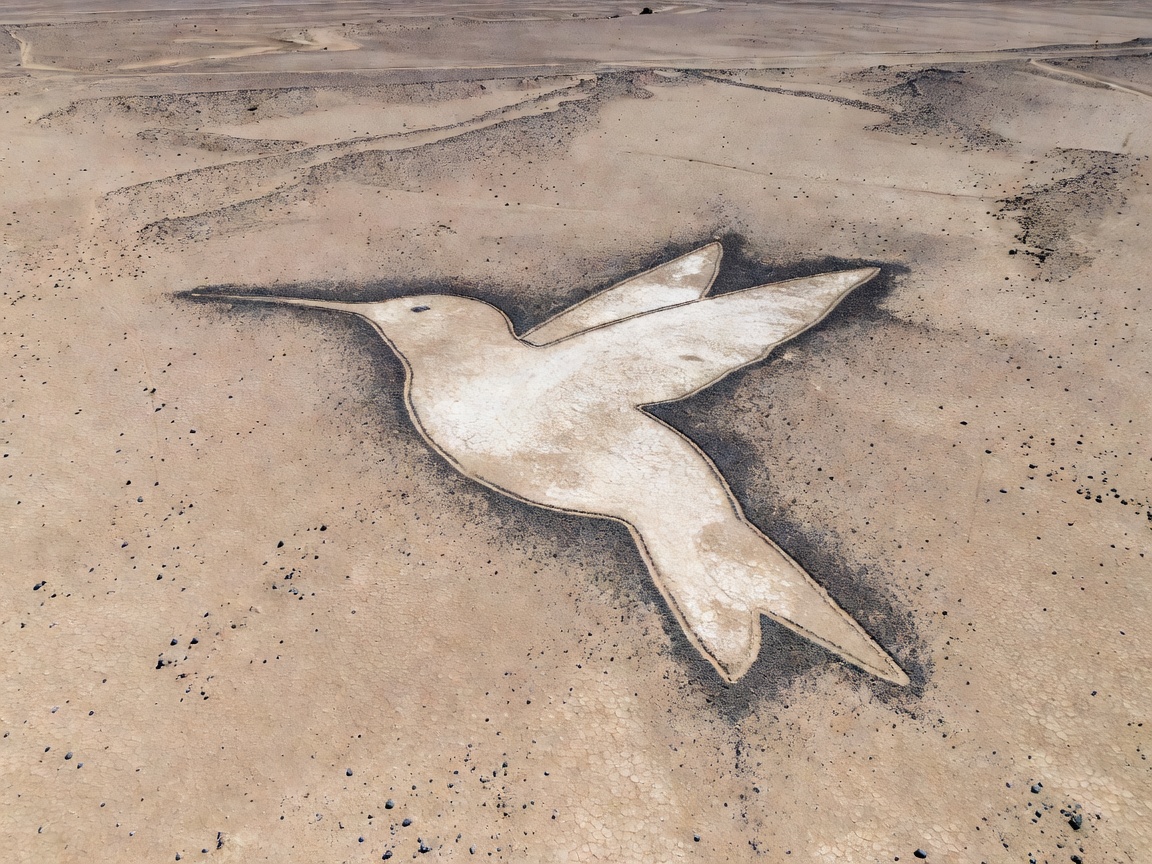
Created between 500 BCE and 500 CE, the Nazca Lines encompass over 1,000 geoglyphs spanning roughly 170 square miles. Among the geometric precision lie vast depictions of a spider, a monkey, a hummingbird, and a strange figure resembling an astronaut.
The puzzle lies not in how they were made—simple removal of red pebbles exposes the lighter earth beneath—but in how they were designed with such sheer scale and precision without the aid of aerial viewpoints.
Ritual, Astronomy, or Anomalies?
Many investigators argue the lines had astronomical significance, acting as an enormous celestial calendar. Others point to water rituals, given the extreme aridity of the desert region. A more ominous fringe theory questions if the Nazca people possessed rudimentary flight technology, such as hot air balloons, long before recorded history suggests.
The windless, dry climate of the plateau has preserved these markings for millennia, waiting for us to decipher their true intent.
Connect the Points
Review aerial cartography and strange anomalies documented in our exclusive case files. The truth is carved into the earth.
Delve Deeper