Lost Colony of Roanoke
A thriving outpost turned into a ghost town. No bodies, no signs of struggle—just one cryptic word carved into a palisade.
The Empty Settlement
When John White returned to Roanoke Island in August 1590, having been delayed in England by war, he expected to find a bustling settlement. Instead, he found the houses dismantled, a sturdy palisade erected, and no sign of the 115 men, women, and children he had left behind three years earlier.
The only clue was the word "CROATOAN" carved into a wooden post. There was no cross, which had been the agreed-upon secret signal if the colony were forced to relocate under distress.
The Search in the Shadows
Bad weather and lack of provisions forced White to abandon his search for Croatoan Island (modern Hatteras Island) and return to England. The colonists were never officially found. In the centuries since, armchair detectives and historians have pinned up endless theories on their metaphorical corkboards.
Did they integrate with the local Indigenous populations? Were they lost at sea attempting to sail back to England? Or did they fall victim to an undocumented conflict?
Examine the Evidence
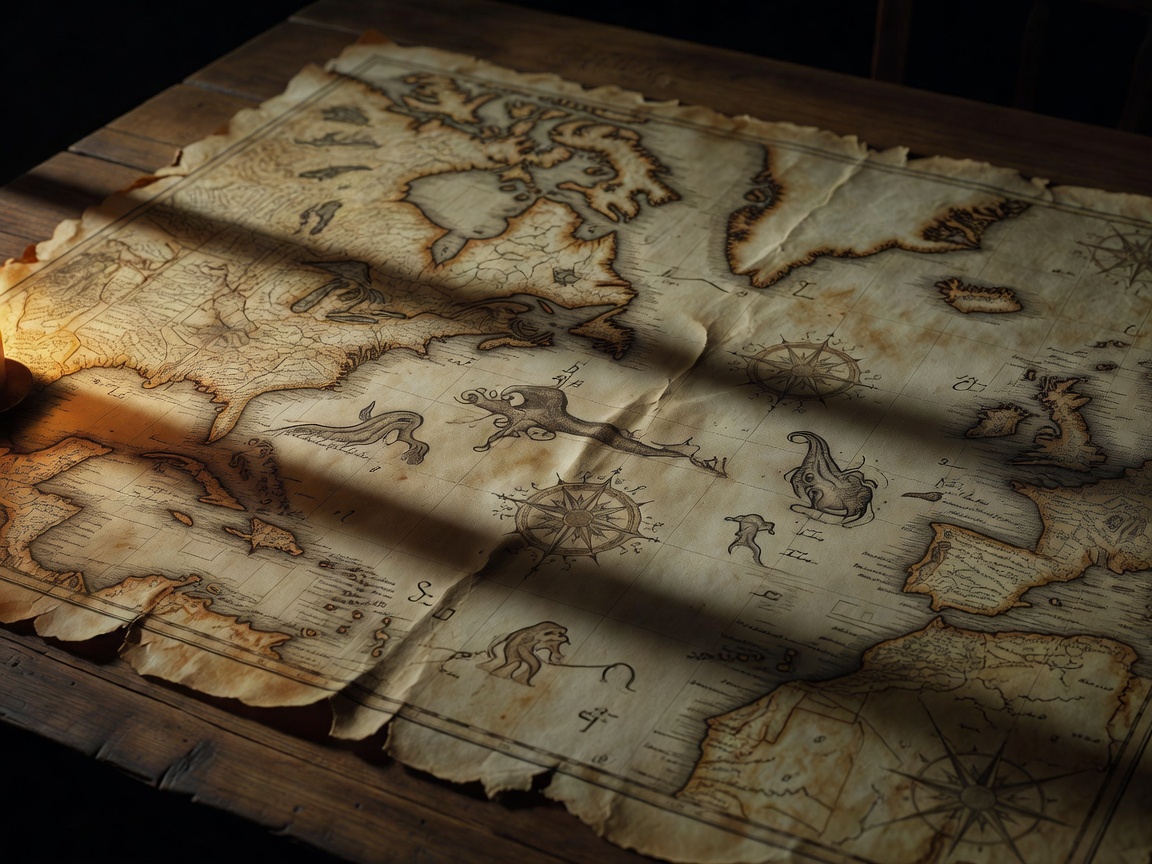
Recent archaeological digs and DNA tracing have brought new threads to this centuries-old cold case. Uncover the hidden layers of this mystery.
Delve Deeper